Ready for a weekend project? Our friend Naomi Molstrom shares her recipe for delicious classic Japanese shio chicken ramen!
Read moreNaomi's Shio Chicken Ramen
Oops, Naomi tool a bite of tofu before snapping this picture!
Your Custom Text Here

Oops, Naomi tool a bite of tofu before snapping this picture!
Ready for a weekend project? Our friend Naomi Molstrom shares her recipe for delicious classic Japanese shio chicken ramen!
Read more
Naomi is the maser of inspiring from-scratch cooking. Chicken ramen is among Naomi’s favorites, and so we asked her to share some recipes. What follows is her chicken paitan broth and instructions on how to build a bowl. The word paitan means “white soup,” a reference to the cloudiness of the broth. As Naomi tells us, making broth is time consuming, but once everything is ready to use, making ramen is super quick. This is a recipe for someone looking for a kitchen project that yields a spectacular result.
Read more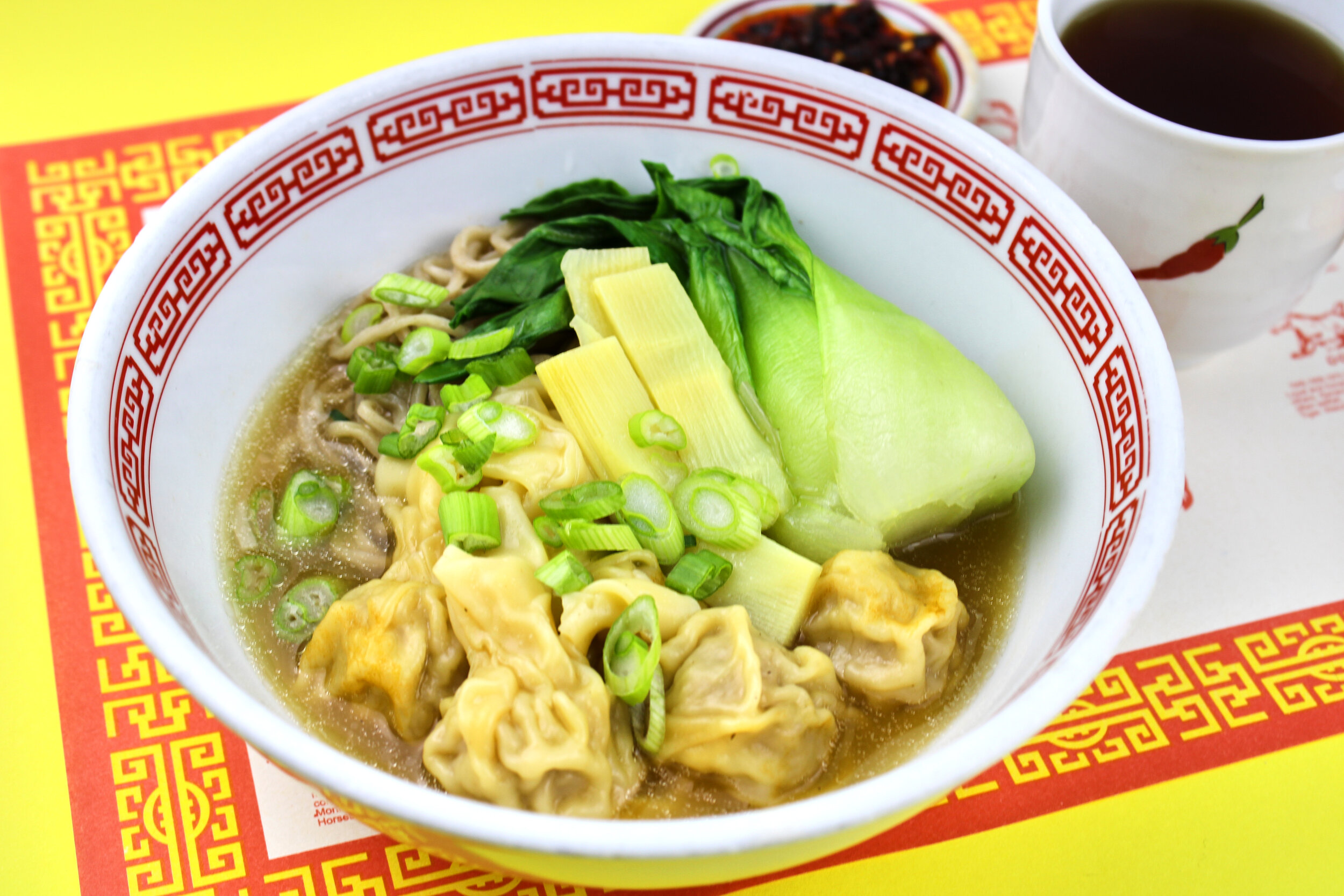
“When I’m already assembling homemade dumplings, the extra labor of hand-making noodles isn’t worth the bragging rights, and Umi Organic’s ramen noodles remain the best store-bought ramen noodle I’ve encountered. This wonton soup rests handmade pork dumplings, bok choy, and bamboo shoots on a nest of Umi Organic Ramen Noodles, then floods the bowl with an aromatic ginger broth. This soup will sooth your lingering winter chills and surpass anyone’s cravings for chicken noodle soup.”
Read more
Local author, recipe developer, editor, gardener, creatinve genius and all around cooking inspiration Heather Arndt Anderson shares how to turn our Noodles with Miso Sesame Sauce and 1/2 pound of lamb stew meat into a sumptuous meal reminiscent of the rugged Xinjiang Province. Cumin and lamb are hallmarks of Uyghur cooking, and Umi’s chewy, bouncy noodles make a fine stand-in for traditional hand-pulled biangbiangmian.
Read more
Creating our perfect ramen egg has been something we’ve slowly worked on as we prep for one farmers market after another. What are we looking for in a great ramen egg? The white should be cooked, though tender. The yolk should start runny, but time spent in a salt-brine should cure the yolk, deepening the color to a vivid orange and transforming the texture into something jammy, gooey, akin in texture to dulce de leche. The egg should taste savory but not aggressive. Here are our rules of the road and recipes for steaming and boiling our perfect ramen egg.
Read moreThis recipe shared enthusiastically with us by Katherine Deumling of Cook with What You Have is incredibly simple, and that’s the beauty. You’ll have to start with a store-bought or homemade broth, but once that’s in the bag, the rest comes together easily. The salmon recipe, on its own, is a keeper! Katherine is right: The fresh ginger is the key here!
Read more“I love a slurpy ramen soup but I also really love the chewy texture of ramen with a delicious sauce. I’ve been making a version of the meatball recipe for years as an appetizer and I was in the mood for some yummy ramen noodles and thought a play on the comfort of spaghetti and meatballs with an Asian-style flair would be fun. It was! And quite delicious!”
“In its purest form, Bak Chor Mee are noodles lightly tossed in a sauce made with liquid lard, soy sauce, Chinese vinegar, and sambal. Then the noodles are topped with ground pork and other delicious toppings. I never really thought to make this until I discovered locally made Umi Organic ramen noodles. It's so good that it’s become a rotating family and friends meal favorite. On meat free days, I also make a delicious vegan version that is just as fun to eat and takes me down my Singaporean childhood food memory lane.”
“Shanghainese adore their noodles, and at one of my favorite hole-in-the wall noodle shops, I loved getting sesame noodles. During Covid, when we were all stuck at home, I was rummaging in the fridge and had an epiphany for a hack to make my favorite noodles: I used sesame hummus! It brought back many happy memories.”
This recipe is inspired by the wonderful Japanese classic agedashi tofu, but takes it in the direction of a teriyaki dish, coating the lightly fried tofu pieces in our Umi Organic yakisoba sauce. The tofu is not at all greasy—one of the miracles of this cooking technique. This is very easy to make and a textural treat. I like keeping the tofu pieces large so you get to enjoy their contrasting textures after frying. I typically eat this over rice but it would be great over Umi noodles in a miso sesame sauce.
The year I lived in Kyoto, Japan, I traveled to Korea over winter break. On Christmas morning, in the freezing cold, I was walking to catch a bus and came upon a street food vendor making breakfast sandwiches. The snow had begun to fall and he let me shelter under his tarp while he made me a very simple cabbage-egg omelet that he served between big fluffy slices of white bread with a delicious sauce that reminded me of Japanese okonomiyaki sauce. I loved the sandwich so much! It felt vaguely healthy but also rich and satisfying. When we made our own yakisoba sauce, with some of those same flavor notes, I knew I wanted to try to recreate this breakfast sandwich.
Pan-frying whole chicken thighs briefly, then steaming them with a little sake, and finishing with our Umi yakisoba sauce makes the most succulent and delicious teriyaki-style chicken. It’s also incredibly easy to make and goes with any side dishes you’d like! It’s not a typical teriyaki because our sauce has a more complex, umami-rich sweet-and-sour flavor thanks to Worcestershire, tamarind, and apple puree, but it’s definitely in the same family and scratches the same itch!
I find mushrooms spectacularly delicious and satisfying. This dish highlights shiitake mushrooms—every single bite of noodles is tangled with a few mushrooms, which means every bite is a winner. While this recipe calls for shiitake, any number of mushrooms would work well in their place: oysters, criminis, lobsters, chanterelles—any mushrooms that tastes good sautéed in oil. This is now my favorite way to eat yakisoba noodles!
“This is a Filipino noodle dish that originated from the Chinese community that settled in the town of La Paz. Traditionally, it is made with pork and pork offal cooked in a beef and pork stock. It uses egg noodles and is topped with chicharron, fried garlic, scallions and a raw egg that cooks in the hot broth. It is a nourishing dish that is full of umami coming from a rich bone broth and shrimp paste. This is a variation of that dish I use at home made for how we live now and I find it is amazing with Umi Organic’s ramen because of the noodle’s amazing bite.
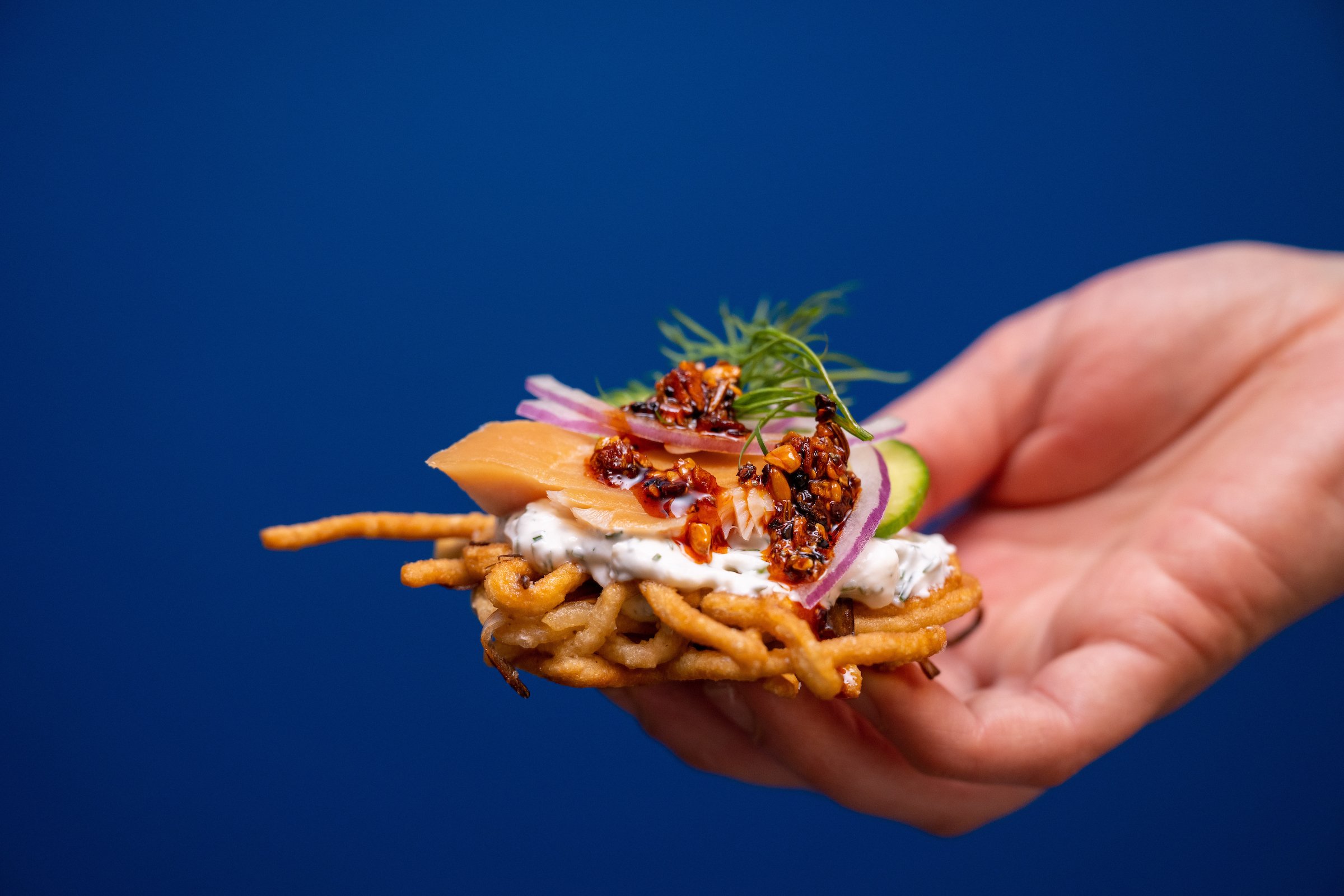
“This combines three of my favorite things, latkes, bagels and crispy crunchy noodles. When I first cooked Umi Organic's yakisoba noodles I was blown away by how incredibly crispy and delicious the noodles were and I really wanted to highlight that!”



I was delighted when I experimented by using our Organic Yakisoba Sauce in place of classic Otafuku or Bulldog Okonomiyaki Sauce. It works like a dream! In fact, I insist: try it out! It’s so special!
In the Kansai region, where okonomiyaki was invented and where I lived (Kyoto, Osaka, and Kobe are all within Kansai), the ingredients are all mixed together and cooked as one mass. Many regions have their own adaptations—the other most famous style comes from Hiroshima—but the Kansai version is the easiest to make. I like to eat this with rice and miso soup.